· Wedding planning · 5 min read
A wedding full of condiments
Fight Club was a powerful movie and today it's got me thinking about weddings, and houses full of condiments but no food
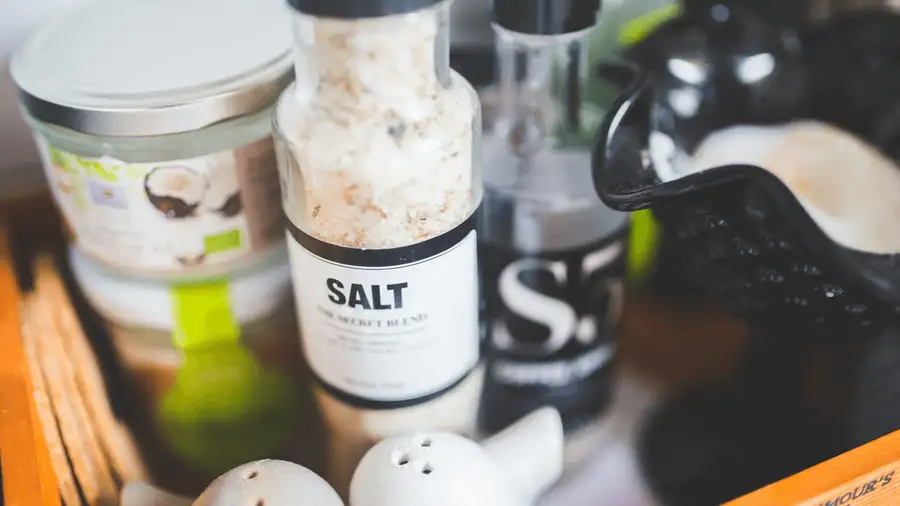
There’s a scene in Fight Club where the narrator’s apartment explodes. His stuff comes raining down onto the street. Ketchup, mustard, relish smeared across the pavement.
He looks at the wreckage and says: “A house full of condiments, and no real food.”
That line haunts me.
It describes so many weddings I’ve seen.
The Condiment Wedding
Scroll any wedding planning site. Pinterest. Instagram. Easy Weddings. You’ll find endless advice on centrepieces, colour palettes, favour boxes, table runners, signature cocktails, and whether your napkins should be folded into swans or roses.
You’ll find almost nothing about the ceremony.
Not the words. Not the meaning. Not the bit where you actually get married.
The industry has convinced couples to pour their money, attention, and emotional energy into everything except the main event. Flowers that last a day. Photos of details no one remembers. A “vibe” assembled from products.
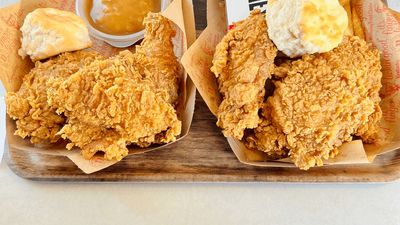
All condiments. No food.
Identity by Purchase
In a Substack piece that got m thinking abou
How we build identity through products rather than encounter.
How the narrator in Fight Club flipped through catalogues asking: “What kind of dining set defines me as a person?”
Couples do the same thing now.
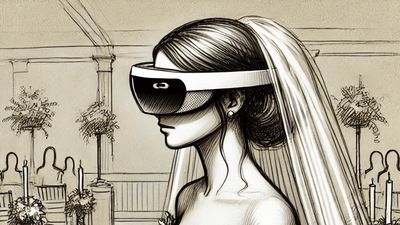
What aesthetic defines us? Rustic barn or coastal boho? Moody editorial or garden party? They scroll and save and curate until they’ve assembled a wedding “look” that feels like them.
But a look isn’t a marriage. An aesthetic isn’t a commitment. A Pinterest board full of details doesn’t mean anything when you’re standing in front of your person, trying to say the most important words of your life.
Template Scripts Are Flat-Pack Furniture
Here’s where celebrants fail the hardest, in my humble opinion.
After convincing couples to spend months choosing the right napkin fold, a celebrant hands them a template ceremony.
Generic words. Mad-libs vows. A 12-minute script downloaded from a website, identical to ten thousand other ceremonies performed that same weekend.
It’s Ikea furniture for the soul.
The industry treats the ceremony as a formality to endure before the “real event” begins. Get through the boring bit so we can eat, drink, and dance.
But the ceremony isn’t a formality. It’s the whole point.
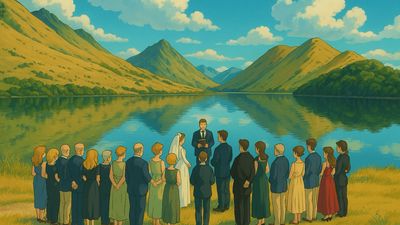
Everything else—the venue, the flowers, the food, the band—is decoration around the moment where two people stand up in front of everyone they love and make a promise. That moment is the wedding. Everything else is a party.
What Consumerism Took From Us
Nadeau’s article argues that consumerism replaced genuine encounter with endless consumption. We buy things hoping they’ll make us whole. They don’t. So we buy more.
The wedding industry runs on this exact engine.
Anxious couples pour money into “making the day perfect,” and the industry happily sells them more stuff to ease that anxiety. Upgrade the flowers. Add the photo booth. Get the drone footage. More, more, more.
None of it touches the real fear underneath: that the ceremony won’t feel meaningful. That those 15 minutes in front of everyone will feel hollow, awkward, forgettable.
And for most couples, it does. Because no one taught them it could be different.
Ceremony-First Isn’t a Style Choice
I’ve been a marriage celebrant since 2009. I’ve married over 2,000 couples. And the single most important thing I’ve learned is this:
The ceremony is the main event.
Not the reception. Not the photos. Not the aesthetics. The ceremony.
When couples understand this—when they invest the same care into their words as their table settings—something shifts. The day stops being a performance for Instagram. It becomes an actual transformation.
Nadeau writes about how Christianity offers sacramentality as the cure to consumerism: “Possessions become gifts. Time becomes prayer. Meals become thanksgiving.”
A ceremony-first wedding does the same thing. It takes a moment the industry has reduced to a transactional checkbox and restores it to what it should be: a place of genuine encounter.
The Ceremony You Actually Remember
I’ve done this long enough to know what couples remember.
They don’t remember the centrepieces. They don’t remember whether the napkins matched the bridesmaid dresses. They barely remember what they ate.
They remember the ceremony.
They remember what was said. Whether it felt true. Whether they laughed, or cried, or felt their knees shake when they looked at their person and meant every word.
They remember whether it felt like them.
Generic words can’t do that. Template scripts can’t do that. A ceremony assembled from other people’s weddings can’t do that.
Only specificity can. Only words written for this couple, this relationship, this particular love story.
Stop Building Your Wedding From a Catalogue
Nadeau’s article ends with an invitation to restore the sacred. To stop building identity from products and start finding it through genuine encounter.
If you’re planning a wedding, here’s my version of that invitation:
Stop treating the ceremony as a formality. Stop outsourcing it to templates. Stop assuming those 15 minutes don’t matter because the real party comes after. Don’t ask strangers in a Facebook Group if it’s ok to do something at your wedding.
Put the same energy into your words as your playlist. More, even.
Find someone who’ll help you craft a ceremony that actually sounds like you. Not a script with your names dropped in. Not a performance of what weddings are “supposed” to look like. Something real. Something specific. Something you’ll remember when you’re old and the photos have faded.
Your wedding doesn’t need more condiments.
It needs food.