
·Josh Withers · Celebrants
How to Become a Marriage Celebrant in Australia
How to become an authorised marriage celebrant in Australia: qualifications, registration, costs, professional development and what the job requires.
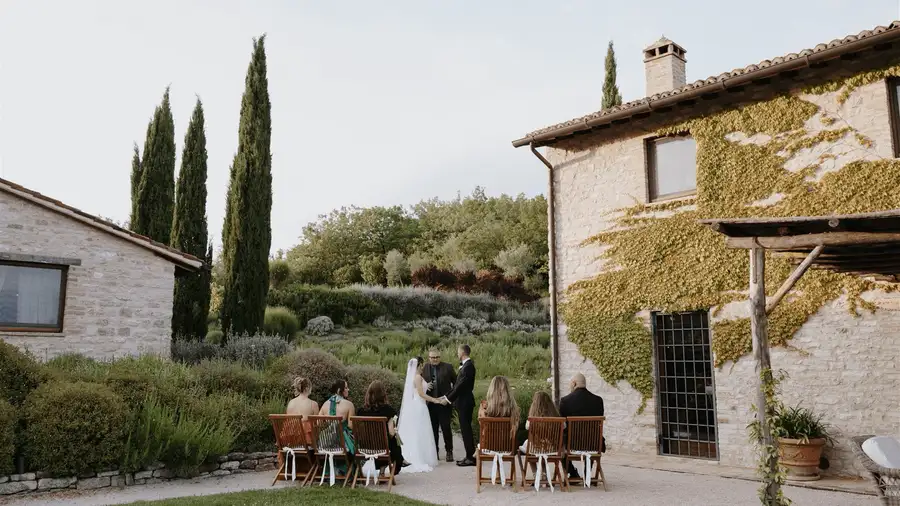
If you want to legally marry people in Australia, you need to be authorised. A good speaking voice, a nice outfit, and a deep love of weddings are lovely. They are not authorisation.
This is the official pathway in plain English, with links to the Attorney-General’s Department so you can check the current rules before you spend money.
Last reviewed: 2 July 2026.
The three broad types of authorised celebrants
The Attorney-General’s Department explains that there are three broad kinds of authorised marriage celebrants in Australia:
- ministers of religion of a recognised denomination
- state and territory officers from a registry of births, deaths and marriages or a court
- Commonwealth-registered marriage celebrants, including civil and religious marriage celebrants
Most people asking “how do I become a celebrant?” mean the third option: becoming a Commonwealth-registered marriage celebrant.
If you are looking at officiant registration outside Australia, the pathway can be very different. For example, I keep a separate guide to becoming an officiant in Ontario through the Togetherness Collective.
What registration requires
For a Commonwealth-registered marriage celebrant, the Registrar of Marriage Celebrants must be satisfied that you:
- are at least 18 years old
- hold the required qualification or skills
- are a fit and proper person to solemnise marriages
The standard qualification path is a Certificate IV in Celebrancy, or an equivalent university qualification. There is also a skills pathway in limited circumstances, such as serving Indigenous communities with skills in an Australian Indigenous language.
Important: completing a qualification does not automatically make you a celebrant. You still need to apply, be assessed, and be registered before you can advertise services, accept a NOIM, or solemnise marriages.
The application and costs
As at this review date, the official AGD pages list:
- a $400 registration application fee
- a $170 annual charge for registered Commonwealth celebrants
- a $30 fee for some exemption applications
Fees can change, so always check the current AGD pages before making decisions:
What the job legally asks of you
The celebrant is not just the person with the microphone. You are personally responsible for meeting important legal requirements.
That includes:
- receiving the Notice of Intended Marriage in the correct time window
- checking identity, date and place of birth, and evidence that any previous marriage has ended
- ensuring each party makes the declaration of no legal impediment
- meeting separately and in person with each party before the marriage is solemnised
- being satisfied that both parties are freely consenting
- saying the required legal words and ensuring the couple says the minimum legal vows
- preparing, signing, retaining, and lodging the correct marriage documents
Start with the couple-facing version here: Wedding Legal FAQs in Australia.
Professional development
Commonwealth-registered marriage celebrants must complete compulsory professional development every calendar year, unless an exemption applies.
For 2026, the Attorney-General’s Department says there are two compulsory professional development activities due by 31 December 2026: one on separate in-person meetings and one law knowledge activity in the Marriage Celebrants Portal.
Current pages:
The Code of Practice
The Code of Practice sits in the Marriage Regulations 2017 and is more practical than people expect. It covers things couples actually care about: accuracy, punctuality, reasonable and timely responses, privacy, secure handling of personal documents, and helping couples access information and relationship services.
In other words, being a celebrant is not just “performing”. It is admin, law, privacy, logistics, pastoral care, public speaking, and emotional steadiness.
My honest advice
Do the legal pathway properly, then build the craft.
The law gives you permission to solemnise a marriage. It does not automatically make you good at ceremonies. For that side of the work, read my personal guide: How to Be a Celebrant - The 22 Rules.
If you are already on the path and want the business, pricing, systems, and craft side of the work, my book Six Figure Wedding Celebrant is the deeper companion to this legal overview.
The job is better than it looks from the outside, and also harder. You carry a moment that will sit in people’s memories for decades. Take the law seriously, take the couple seriously, and take yourself just seriously enough to keep improving.
Official sources
- celebrant
- celebrancy
- marriage act
- certificate iv
- professional development