· Wedding planning · 8 min read
Why modern couples are asking for cash wedding gifts
Cash gifts, smaller guest lists, and more intentional weddings are not a collapse of tradition. They're a sign that marriage itself has moved deeper into adult life.
Every few months, a story pops up about how weddings have changed.
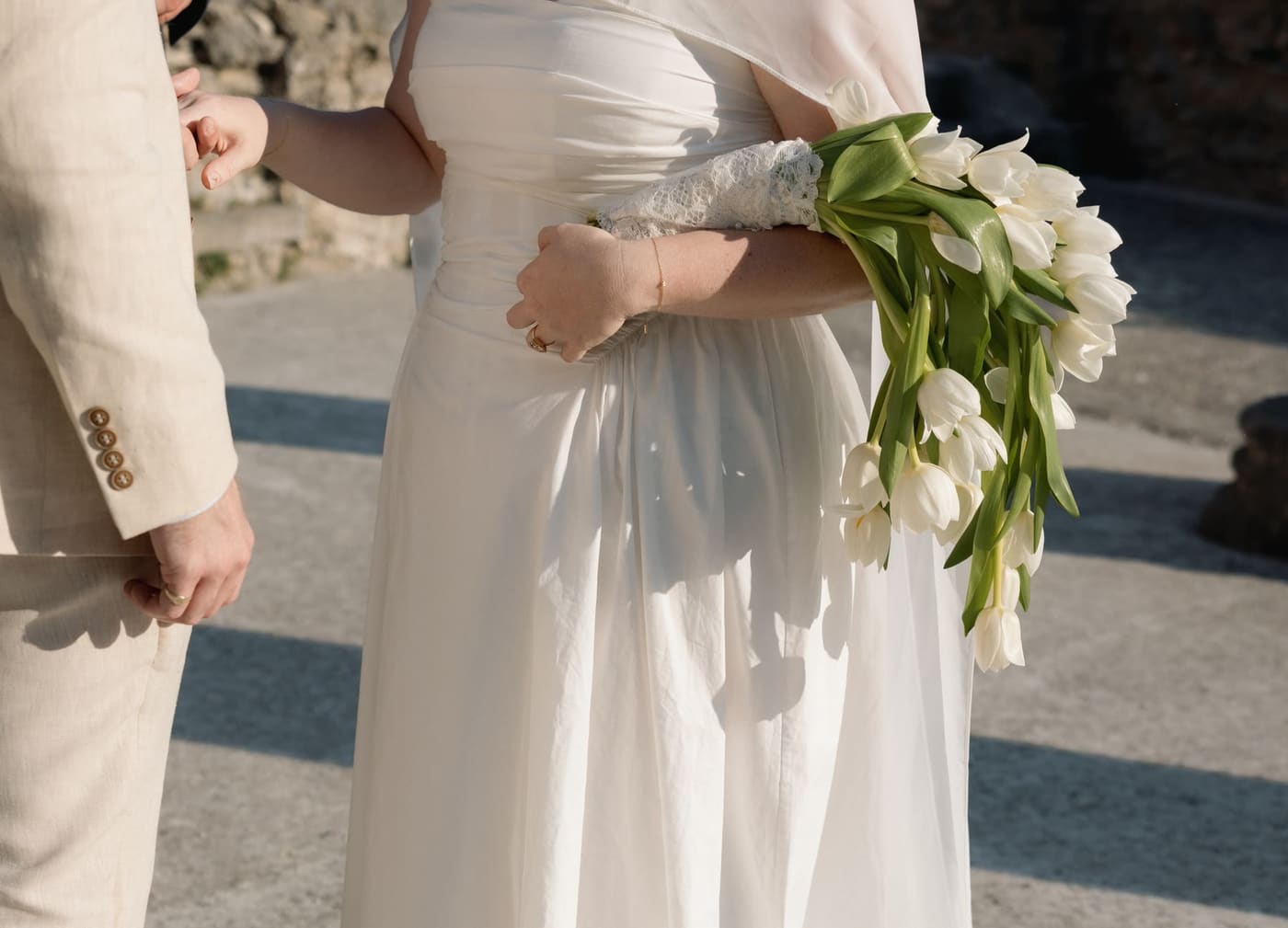
This time, it is wedding gifts. Couples used to ask for toasters, dinner sets, towels, and the sort of glassware that lived in a cupboard until someone’s parents came over. Now they ask for cash, honeymoon funds, house deposits, or help with the life they are already building. And yes, that is different but I don’t think the real story is that wedding gifts have changed. The real story is that marriage has changed. Not legally. Not in some dramatic culture-war way. But socially, practically, and emotionally.
Marriage used to sit near the beginning of adult life. Now, for many Australian couples, it sits somewhere slightly deeper and more intentionally inside it.
The Australian Institute of Family Studies snapshot on couple relationships in Australia today names a few of the quiet shifts underneath modern weddings: “people being older when they first marry”, “couples increasingly living together before they marry”, and marriage being seen by some couples as a “capstone”. That word matters.
Because if marriage is not always the starting gun for adulthood anymore, the wedding probably won’t look like the weddings we grew up around either.
Australians are getting married later
The AIFS Marriages in Australia data puts numbers around what most of us can already feel in the room. In 2024, the median age at first marriage was 31.3 years for men and 30.0 years for women. My parents were 21 when they wed (and divorced a few years later).
That matters because when people marry later, the wedding changes shape.
A couple getting married in their early 30s is often not getting married so they can move out of home together. They have probably already done that. They are not getting married so they can buy their first kettle. They might already own three kettles, two air fryers, a suspiciously expensive coffee machine, and a drawer full of containers with missing lids.
They are not getting married as the first big adult step after school, uni, or an apprenticeship. They are getting married after years of real life together.
Jobs. Rent. Mortgages. Dogs. Kids. Blended families. Businesses. Grief. Moving cities. Changing careers. Knowing each other’s families. Knowing each other’s flaws. Knowing what life actually feels like on a Tuesday night when the bins need to go out.
So of course the gift registry has changed but only because the couple and what “all of this” at a wedding has changed.
The wedding is not always the start of the household
For previous generations, a wedding often marked the beginning of a shared home. That is why the gift table made sense. You needed sheets, plates, towels, a toaster, and maybe an electric carving knife if someone’s auntie got excited at Myer.
Today, most couples have already lived together before the wedding: 81% of Australian couples have cohabited before marriage.
The wedding is no longer always the day you start a household, instead, it is the day you name and solidify and make official the household you have already been building.
That is why cash gifts do not automatically mean people are rude, greedy, stingy, or unromantic. It can simply mean the couple already has the stuff. What they are asking for is help with the life.
A home deposit. A honeymoon. A family trip. A renovation. A future. A little more breathing room in the middle of a cost-of-living mess. That is not less meaningful than a toaster. It’s probably even more meaningful.
If you are giving a wedding gift, you are allowed to think differently now
If you are going to a wedding and feel weird about giving money, I get it. For a long time, a proper wedding gift was something you wrapped, carried to a gift table, and hoped no one else had also bought.
But the purpose of a gift is not to recreate the wedding customs of 2004. The purpose of a gift is to bless the couple in the life they are actually living.
For some couples, that might still be a beautiful object for their home. Great. Buy the good sheets. Buy the handmade serving bowl. Buy the thing they will use and think of you.
But for other couples, the most helpful gift is money towards something bigger than a cupboard full of appliances. That does not make the gift lazy. It makes it useful.
A wedding gift does not need to prove you understand tradition.
It should show you understand the couple.
I have written more directly about wedding gift etiquette, but the short version is this: give what you can afford, give it with a full heart, and don’t turn someone else’s wedding into a tax audit with flowers.
If you are hosting a wedding, you do not have to copy the weddings you grew up around
This is the part I wish more couples heard: You do not have to build your wedding in the shadow of weddings from 20 years ago.
You do not have to do a gift registry because your parents did. You do not have to invite 140 people because that is what a real wedding looked like when you were a kid. You do not have to have a bridal party, a receiving line, a garter toss, a seating chart full of diplomatic tension, or a cake cutting no one is emotionally invested in.
You can, of course.
Some traditions are beautiful when they mean something to you. But they are not compulsory.
Modern marriage is often chosen with more thought, more heart, and more intention than people give it credit for. The AIFS snapshot says contemporary relationship choices are influenced by the “intentions of the people in couple relationships”. I think the same is true of weddings.
Who do you actually want in the room?
What do you want to say out loud?
What do you want people to feel?
What do you want to remember?
What would make the day feel like the two of you, rather than a performance of what weddings used to be?
Those are better questions than, “What are we supposed to do?”
Marriage has moved from assumption to intention
When marriage was the expected next step, lots of people got married because that is what you did. You dated, got engaged, got married, moved in, had kids, bought appliances, and tried to remember which cupboard the good glasses were in.
That path still exists for some people. Good for them.
But for many couples now, marriage is not automatic. It is chosen. The wedding is less likely to be a social conveyor belt and more likely to be a deliberate marker.
A line in the sand.
A public and legal way of saying: this is my person, this is the life we are building, and these are the people we want standing near us as we say it out loud.
That shift makes weddings more serious, not less.
Not serious as in stiff, formal, or joyless. Please no. Serious as in weighty. A wedding today often carries years of shared life into one moment. It is not the launch party for adulthood. It is a declaration made by adults who know what they are doing.
Mostly.
The guest list has changed too
Once you understand this, the guest list starts making more sense.
Couples are not always asking, “Who must we invite?” They are asking, “Who do we actually want around us when we make this promise?”
That is a very different question.
And it makes some people uncomfortable, because society is used to weddings being family events, community events, or big obligation machines. Invite this cousin. Invite that workmate. Invite that person because they invited you in 2016 and you still feel weird about it.
But modern couples are often more honest than that. They know a wedding is not just a party. It is a room full of witnesses to their amazing life.
The people present are not just there to eat canapes and comment on the flowers. They are there to hear the vows. They are there to bless, support, cheer, cry, laugh, remember, and say, “Yes, we saw that. We were there.”
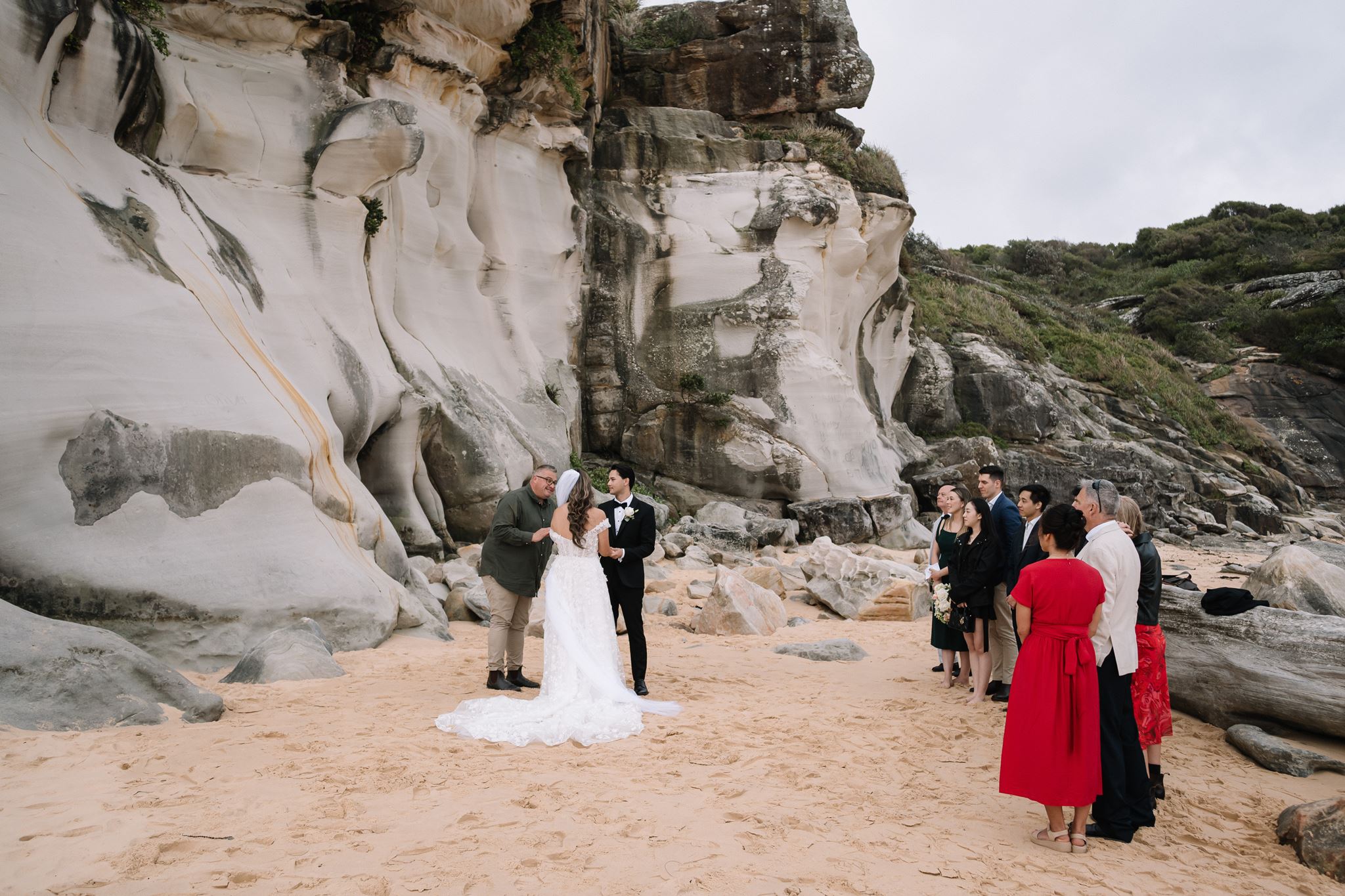
That is why elopements, micro weddings, restaurant weddings, backyard weddings, destination weddings, and deeply personal ceremonies have grown in appeal. Not because couples care less. Because they care more.
They care who is there. They care what is said. They care how the day feels. They care whether the wedding actually reflects the marriage.
The point was never the toaster
So wedding gifts have changed nd the toaster has become a wad of cash. The department store registry has become a honeymoon fund. The crystal bowl has become a contribution to a home, a trip, or a future.
But underneath that is a bigger shift. Marriage in Australia has become less of a default setting and more of a chosen act. It reminds me of the reason for gun violence in America dropped a few years ago, because people became more intentional about having children, so kids were growing up loved and wanted.
People are getting married later. They are living together first. They are arriving at the ceremony with more life behind them, more clarity, and often more intention.
That does not make weddings less traditional. It makes them more honest, and me? I’m the captain of Team Hoenst Weddings.
Feature photo by House of Lucie for The Elopement Collective.