· Wedding planning · 6 min read
Plan the peak and the ending of your wedding
Plan the ending of your wedding with the peak-end rule in mind, let science make your wedding experience happier.

Throughout our lives we’re given many opportunities to trust the science.
Trust the science. Do the research. Learn from the data.
But when it comes to planning a wedding, most people ignore one of the most useful things psychology has taught us:
- We don’t remember experiences evenly.
- We remember the big moments (the peaks).
- And we remember how the wedding finishes (the end).
That idea is called the peak-end rule, and once you understand it, you’ll never look at wedding planning (or life) the same way again.
The cold water study
In 1993, Daniel Kahneman, Barbara Fredrickson, Charles Schreiber and Donald Redelmeier ran a wonderfully unpleasant experiment.
They asked people to put a hand into painfully cold water, around 14°C, for sixty seconds.
Then they did it again.
Same cold water. Same sixty seconds.
But this time, after the first minute, the participant had to keep their hand in the water for another thirty seconds while the water warmed slightly.
So the second version was longer.
Objectively, it was worse. More time. More discomfort.
But when people were asked which version they’d rather repeat, many chose the longer one.
Why?
Because it ended slightly less badly.
The ending softened the memory.
The colonoscopy study
And because apparently psychology wasn’t weird enough already, there’s also a colonoscopy study.
I bet you didn’t think you were going to be reading about colonoscopies in a wedding article today, did you?
In a randomised trial, Redelmeier, Katz and Kahneman studied patients having colonoscopies.
One group had the standard procedure.
The other group had the scope left in place for a short time at the end. It was still uncomfortable, but less painful than the main procedure.
Objectively, that second group had a longer procedure.
But subjectively, many remembered the whole thing as less unpleasant.
Again, the ending changed the memory.
The lesson isn’t that more pain is good.
Please do not quote me on that at your next family lunch.
The lesson is that a gentler ending can change how we remember the whole experience.
The symphony ruined by a screech
Kahneman once told a story about a man listening to a beautiful recording of a symphony.
For twenty minutes, the music was glorious.
Then, at the very end, there was a dreadful screeching sound.
The man said it ruined the whole experience.
But it hadn’t really ruined the experience.
The twenty minutes of beautiful music had already happened. He had heard them. He had enjoyed them.
What the screech ruined was the memory.
And after something is over, the memory is the only part we get to keep.

So what does this have to do with weddings?
A wedding has an obvious peak.
The ceremony.
That’s the moment everything points towards. The vows. The rings. The kiss. The legal bit. The emotional bit. The bit where everyone finally gets to say, “Yep, this is why we’re here.”
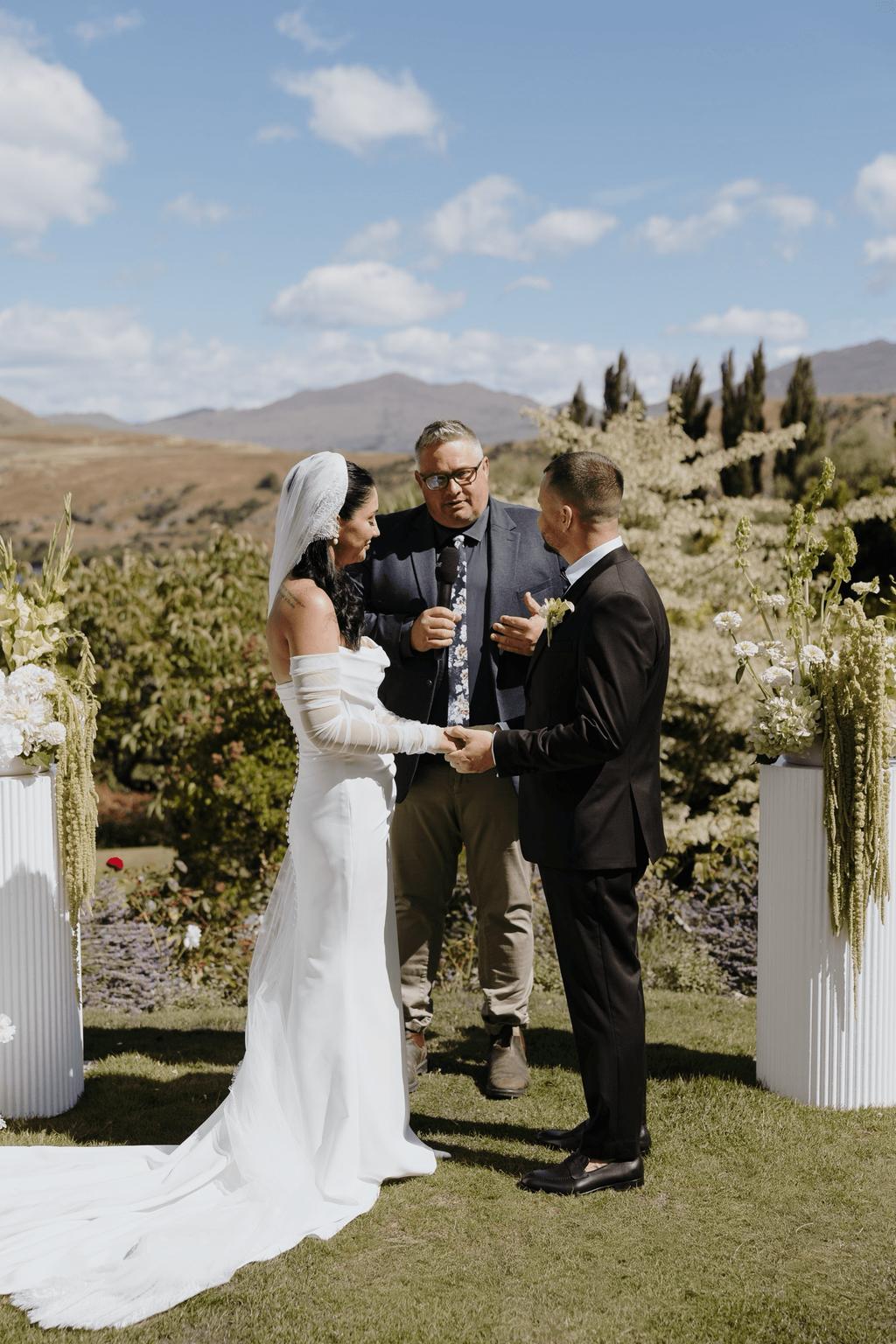
As a celebrant, I get to stand right in the middle of that peak.
It’s magic. And my hope is that it’s so good it holds the rest of the day for you.
But the ceremony might happen at 3pm.
The wedding might end at 10pm.
And there are seven whole hours between the peak and the ending.
Seven hours of drinks, photos, canapés, family dynamics, speeches, waiting, eating, dancing, sore feet, tired kids, tired grandparents, drunk uncles, and that strange wedding phenomenon where everyone wants a deeply meaningful goodbye at exactly the same time.
Usually after the first dance.
Because they have babysitters to relieve. Or they need to travel. Or they need to be in bed.
The end of your wedding can shape the way you remember the whole thing.
Most couples don’t plan the ending
Couples plan the ceremony (thanks for inviting me into it!).
They plan the flowers.
They plan the outfits.
They plan the food, the drinks, the music, the photos, the transport, the accommodation, the seating chart, and whether Uncle Steve can be trusted near a microphone.
But most couples don’t really plan the final hour.
They assume the wedding will just gently end.
It usually doesn’t.
What often happens is this:
The speeches finish.
The first dance happens.
The formalities are over.
And then your guests slowly start leaving.
Grandma needs to get to bed.
Your sister and her partner need to relieve the babysitter.
Someone has a long drive.
Someone else has an early flight.
A few people have had enough wine to become either extremely honest or extremely emotional.
And suddenly, instead of ending the night on a high, you’re standing there for two hours being hugged, interrupted, thanked, cried on, photographed, and told about airport logistics.
Romantic, isn’t it?
Plan your exit
So how do we fix this?
You don’t need a scientifically optimised wedding.
Please don’t become that person.
But you should plan the ending.
Not just the ceremony.
Not just the reception.
Not just the dance floor.
The ending.
Because the ending is what follows you home.
Here are a few ways to give your wedding a better final memory:
- Ghost your own reception while the energy is still high.
- Plan a clear final moment, like a last dance, private drink, farewell song, sparkler exit, or getaway car.
- Keep your guest list to the people you actually want around you at the end of the night.
- Host the wedding somewhere people can stay on-site, like a hotel, farm, estate, or campground.
- Make the final hour quieter, simpler, and less performative.
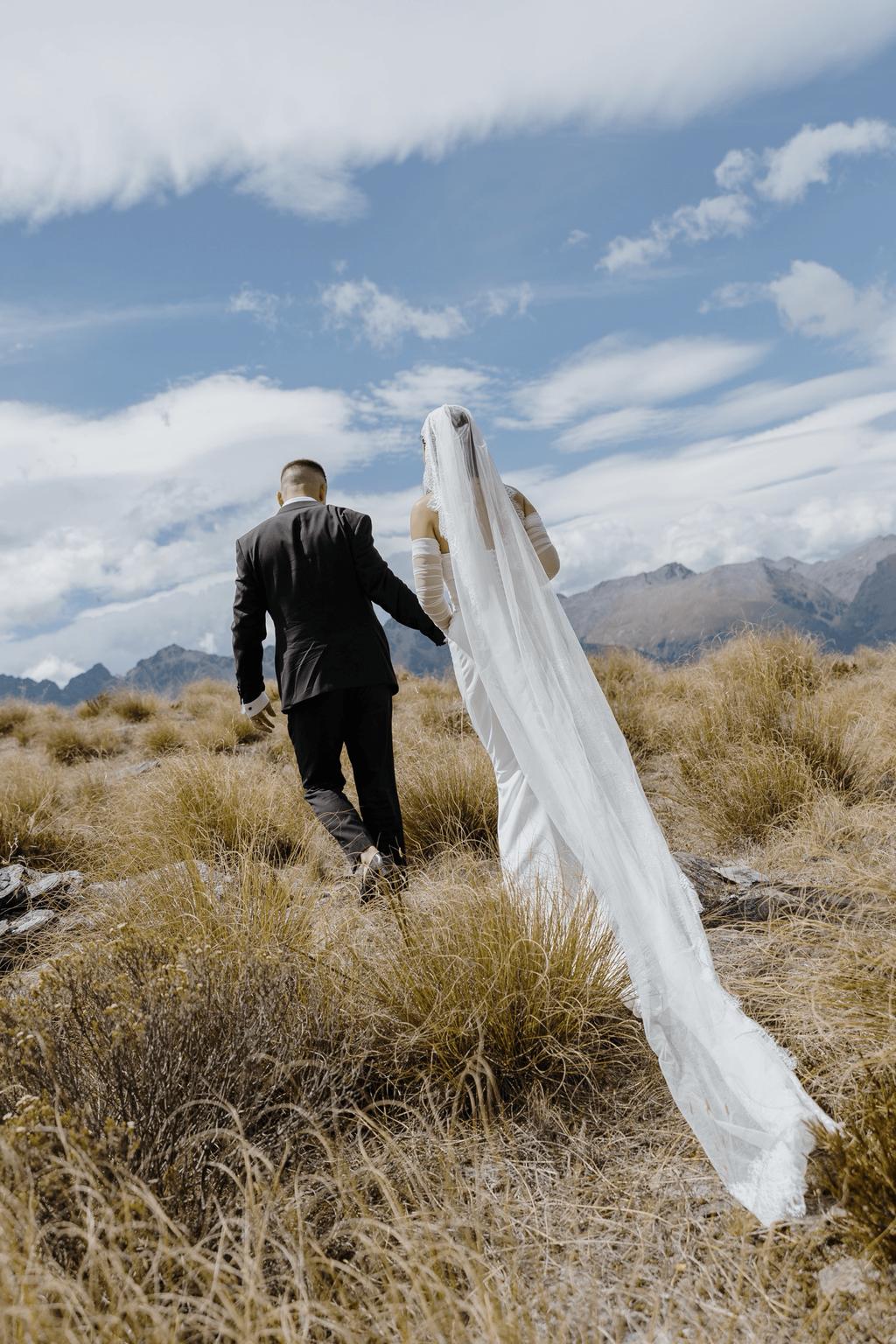
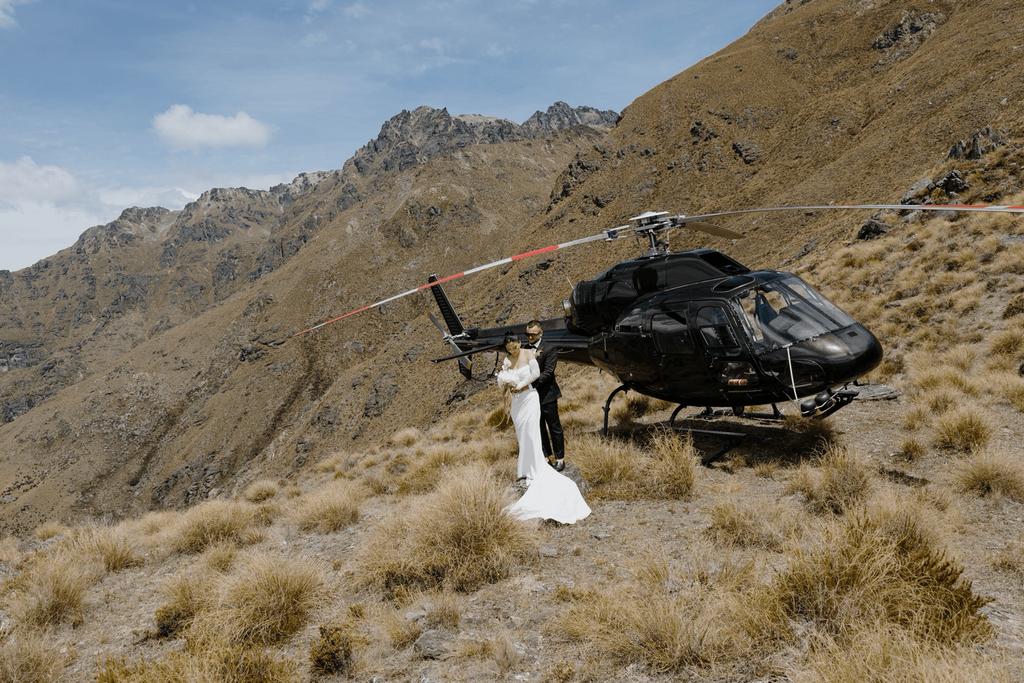
- Elope, if what you really want is a beautiful peak and a peaceful ending.
- Have a destination wedding where the celebration spills gently into the next morning instead of collapsing into a hard stop.
None of this means your wedding has to be small.
It doesn’t mean you have to elope.
It doesn’t mean you need to ghost your own reception, though I personally think that option deserves more respect.
It just means you should make a decision.
Don’t let your wedding end by accident.
The ceremony might be the peak
The ceremony is probably the emotional peak of your wedding.
It should be.
That’s the bit where you actually get married.
But the end of the night matters too.
Because when the music stops, the shoes come off, the flowers wilt, the candles burn down, and everyone goes home, you’re left with the memory.
So plan the peak.
Make the ceremony count.
But plan the ending too.
That’s the bit you’ll carry with you.
Photos by George Bowden.